
Optimize Your Home: How Often to Change HVAC Filters
Maintaining optimal indoor air quality and system efficiency hinges significantly on the regular replacement of HVAC filters. These filters play a crucial role in trapping dust, allergens, and other pollutants, ensuring that the air circulating in your home is clean and healthy.
In this article, we will explore how often HVAC filters should be changed, the factors influencing this frequency, and the signs that indicate a filter replacement is necessary. Additionally, we will provide a step-by-step guide on how to change your HVAC filter properly and discuss the benefits of regular maintenance. By understanding these aspects, you can enhance your home's air quality and prolong the lifespan of your HVAC system.
What Is the Recommended HVAC Filter Replacement Frequency?
The recommended frequency for changing HVAC filters typically ranges from one to three months, depending on various factors such as filter type and household conditions. Regularly checking and replacing filters is essential to maintain optimal performance and air quality.
How Often Should I Change My HVAC Filter for Optimal Performance?
For optimal performance, standard fiberglass filters should be changed every 30 days, while pleated filters can last up to 90 days. Households with pets or allergy sufferers may need to change their filters more frequently, potentially every 20-45 days, to ensure maximum filtration efficiency.
Which Factors Influence How Often HVAC Filters Need Changing?
Several factors can influence how often HVAC filters need to be changed, including the type of filter used, household conditions, and environmental factors.
How Do Filter Types and MERV Ratings Affect Replacement Schedules?
The Minimum Efficiency Reporting Value (MERV) rating of a filter indicates its ability to capture particles of different sizes. Higher MERV ratings mean better filtration but may also require more frequent changes due to increased airflow resistance. For instance, a filter with a MERV rating of 13 or higher may need to be changed every 1-2 months in high-use situations.
How Do Pets, Allergies, and Environment Impact Filter Change Frequency?
Households with pets or individuals suffering from allergies may find that their filters become clogged more quickly. Petdander and pollen can significantly impact air quality, necessitating more frequent changes—often every 20-45 days. Additionally, living in areas with high pollution or construction can also lead to increased filter replacement needs.
What Are the Signs That Indicate It's Time to Replace Your HVAC Filter?
Recognizing the signs that indicate it's time to replace your HVAC filter is crucial for maintaining air quality and system efficiency.
How Can I Identify a Dirty HVAC Filter?
A dirty HVAC filter can often be identified through visual inspection. If the filter appears discolored or clogged with dust and debris, it is time for a replacement. Additionally, if you notice increased dust accumulation in your home, it may indicate that your filter is no longer effectively capturing particles.
Does a Dirty Filter Affect Airflow and EnergyEfficiency?
Yes, a dirty filter can significantly affect airflow and energyefficiency. When filters are clogged, the HVAC system has to work harder to circulate air, leading to increased energy consumption and higher utility bills. Regularly changing filters can help maintain optimal airflow and reduce energy costs.
Research further emphasizes the significant impact of clogged filters on both system performance and energy consumption.
Clogged HVAC Filters: Impact on Air Quality, Energy, and Airflow Air filters play a vital role in HVAC systems by preventing pollutants such as dust and smoke from circulating indoors. Poor air filtration negatively impacts Indoor Air Quality (IAQ) and increases energy consumption. Clogged filters were found to reduce airflow by up to 50%, increasing energy consumption by 15–30%. Smart HVACFiltration Monitoring for Indoor Air Quality (IAQ): Enhance Efficiency and Environmental Sustainability, MAAM Nor, 2025
How Do I Properly Change My HVAC Filter?
Changing your HVAC filter is a straightforward process that can be done in a few simple steps.
What Are the Step-by-Step Instructions for HVAC Filter Replacement?
Turn Off the HVAC System: Always ensure the system is off before starting.
Locate the Filter: Find the filter compartment, usually near the air handler or return duct.
Remove the Old Filter: Carefully slide out the old filter, noting its orientation.
Insert the New Filter: Place the new filter in the same orientation as the old one, ensuring a snug fit.
Turn the System Back On: Restart your HVAC system and check for proper airflow.
What Tools and Supplies Are Needed for Changing Filters?
A new filter (appropriate size and type)
A vacuum cleaner (optional, for cleaning the area)
A flashlight (to inspect the filter compartment)
What Are the Benefits of Regular HVAC Filter Replacement?
Regular HVAC filter replacement offers numerous benefits that enhance both air quality and system performance.
How Does Filter Maintenance Improve Indoor Air Quality and Health?
Regularly changing HVAC filters significantly improves indoor air quality by reducing allergens, dust, and pollutants in the air. This is particularly beneficial for individuals with respiratory issues or allergies, as cleaner air can lead to better health outcomes.
How Does Changing Filters Save Energy and Reduce Costs?
Changing filters regularly can lead to energy savings by ensuring that the HVAC system operates efficiently. A clean filter allows for better airflow, reducing the workload on the system and ultimately lowering energy bills. Over time, these savings can be substantial.
What Advanced HVAC Filter Options Are Available and How Do They Affect Replacement Frequency?
Advanced HVAC filter options can provide enhanced filtration and may alter replacement frequency.
What Are the Lifespans and Benefits of HEPA, Electrostatic, and Smart Filters?
HEPA filters, known for their high efficiency, can last up to 12 months but may require more frequent changes in high-usage scenarios. Electrostatic filters can be reusable with proper cleaning and maintenance, often lasting several years. Smart filters, equipped with sensors, can notify homeowners when they need to be changed, optimizing maintenance schedules.
How Does Smart Technology Help Monitor Filter Condition and Replacement Timing?
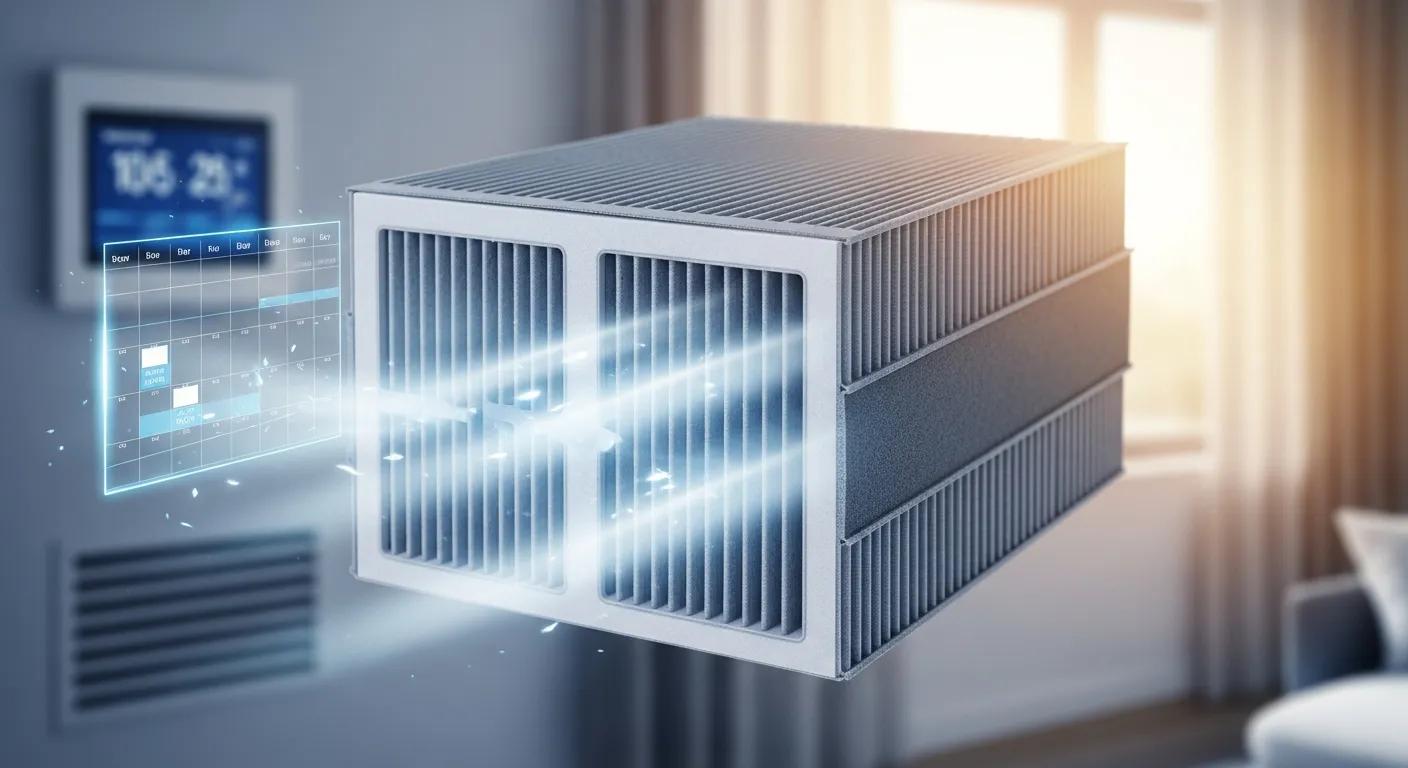
Smart technology in HVAC systems can monitor filter condition and alert homeowners when it's time for a change. This proactive approach helps maintain air quality and system efficiency without the need for manual checks, making it a convenient option for busy households.