
Understanding AC Turning Off: Causes of Short Cycling Issues
Experiencing an air conditioning unit that keeps turning on and off, known as short cycling, can be frustrating and concerning for homeowners. This phenomenon not only affects indoor comfort but can also lead to increased energy bills and potential damage to the system. In this article, we will explore the causes of AC short cycling, the risks associated with it, and effective troubleshooting methods to resolve the issue. By understanding the mechanics behind short cycling, you can take proactive steps to maintain your HVAC system and ensure its longevity. We will cover the definition of short cycling, its primary causes, the dangers it poses, troubleshooting tips, and preventive maintenance practices.
What Is AC Short Cycling and How Does It Affect Your System?
AC short cycling refers to the process where an air conditioning unit turns on and off frequently, failing to complete a full cooling cycle. This behavior can significantly impact the efficiency and lifespan of the system. Unlike normal cycling, where the AC runs for a set period to cool the space before shutting off, short cycling can lead to inadequate cooling and increased wear on the compressor.
How Does Normal AC Cycling Differ from Short Cycling?
Normal AC cycling involves the unit running for a specific duration, typically 10 to 15 minutes, before shutting off. This allows the system to effectively cool the space and maintain a consistent temperature.
In contrast, short cycling occurs when the unit runs for only a few minutes before shutting off, often due to issues such as thermostat malfunctions or airflow restrictions. This rapid cycling can lead to inefficient cooling and increased energy consumption.
What Are the Common Symptoms of AC Short Cycling?
Frequent On/Off Cycles: The AC unit turns on and off more often than usual, disrupting the cooling process.
Increased Energy Bills: Short cycling can lead to higher energy consumption, resulting in elevated utility costs.
Uneven Cooling: Some areas of the home may feel warmer than others, indicating that the AC is not effectively distributing cool air.
What Are the Primary Causes of AC Short Cycling?
Understanding the primary causes of AC short cycling is essential for effective troubleshooting.
Several factors can contribute to this issue, including:
Dirty Air Filters: Clogged filters restrict airflow, causing the system to overheat and shut off prematurely.
Oversized AC Units: An AC unit that is too large for the space cools the area too quickly, leading to frequent on/off cycles.
Low Refrigerant Levels: Insufficient refrigerant can cause the system to struggle to cool effectively, triggering short cycling.
Thermostat Malfunctions: A faulty thermostat may inaccurately read the temperature, causing the unit to turn off before the desired cooling is achieved.
Electrical Issues: Problems with components like capacitors or contactors can disrupt the normal operation of the AC unit.
How Do Dirty Air Filters Lead to Short Cycling?
Dirty air filters can significantly impact the performance of an air conditioning system. When filters become clogged, they restrict airflow, causing the system to work harder to draw in air. This increased strain can lead to overheating, prompting the unit to shut off to prevent damage. Regularly changing or cleaning air filters is crucial to maintaining optimal airflow and preventing short cycling.
Why Does an Oversized AC Unit Cause Frequent On/Off Cycles?
An oversized AC unit cools a space too quickly, resulting in short cycling. When the system reaches the desired temperature too rapidly, it shuts off before adequately dehumidifying the air. This can lead to discomfort and increased humidity levels, prompting the unit to turn back on shortly after. Proper sizing of the AC unit is essential for efficient operation and comfort.
While an oversized unit can lead to frequent cycling and discomfort, research suggests its impact on overall cooling energy use might be less significant than commonly believed.
Oversized AC Units: Energy Impact & Cycling Performance This research addresses the question of what are the energy consequences for oversizing of an air conditioner in a home. Conventional wisdom holds that oversizing the AC results in significant energy penalties. However, with all other home characteristics held constant, oversizing the AC generally has a small effect on cooling energy use, even if the cycling performance of the unit is poor. The relevant aspects of air conditioner modeling are discussed to illustrate the effects of the cycling loss coefficient, Cd, capacity, climate, ducts and parasitic losses such as crankcase heaters. Energy Impacts of Oversized Residential Air Conditioners--Simulation Study of Retrofit Sequence Impacts, C Booten, 2014
How Can Low Refrigerant Levels Trigger Short Cycling?
Low refrigerant levels can cause the AC unit to struggle to cool effectively. When refrigerant is insufficient, the system may not be able to absorb heat properly, leading to reduced pressure and potential freezing of the evaporator coil. This can trigger short cycling as the unit attempts to protect itself from damage. Regular maintenance checks can help identify and address refrigerant leaks before they lead to short cycling.
What Thermostat Malfunctions Contribute to Short Cycling?
Thermostat malfunctions can significantly impact the operation of an air conditioning system. Issues such as incorrect calibration or improper placement can lead to inaccurate temperature readings. If the thermostat thinks the desired temperature has been reached too soon, it may shut off the unit prematurely, resulting in short cycling. Ensuring the thermostat is functioning correctly is vital for maintaining consistent cooling.
How Do Electrical Problems Like Capacitor or Contactor Failures Cause Short Cycling?
Electrical issues, such as capacitor or contactor failures, can disrupt the normal operation of an AC unit. Capacitors help start the compressor and fan motors, while contactors control the flow of electricity to these components. If either of these parts fails, the system may turn on and off erratically, leading to short cycling. Regular electrical inspections can help identify potential issues before they escalate.
What Are the Dangers and Risks of AC Short Cycling?
Short cycling poses several risks to both the air conditioning system and the homeowner. Understanding these dangers can help emphasize the importance of addressing the issue promptly.
How Does Short Cycling Damage the AC Compressor?
The compressor is a critical component of the air conditioning system, responsible for circulating refrigerant. Frequent on/off cycles can lead to increased wear and tear on the compressor, potentially resulting in premature failure. Replacing a compressor can be costly, making it essential to address short cycling issues before they escalate.
What Is the Effect of Short Cycling on Energy Bills and Efficiency?
Short cycling can lead to increased energy consumption, resulting in higher utility bills. When the AC unit frequently turns on and off, it uses more energy than if it were allowed to run for longer periods. This inefficiency can significantly impact overall energy costs, making it crucial to resolve short cycling issues to maintain energy efficiency.
How Does Short Cycling Reduce the Lifespan of Your AC System?
The increased strain on the AC system caused by short cycling can lead to a reduced lifespan. Components may wear out more quickly due to the constant cycling, resulting in the need for more frequent repairs and replacements. Addressing short cycling can help extend the life of the system and reduce long-term costs.
What Indoor Comfort Issues Arise from Short Cycling?
Short cycling can lead to various indoor comfort issues, including uneven cooling and increased humidity levels. As the system fails to run long enough to effectively dehumidify the air, homeowners may experience discomfort and a less pleasant living environment. Ensuring the AC unit operates efficiently is essential for maintaining indoor comfort.
How Can You Troubleshoot and Fix AC Short Cycling?
Troubleshooting AC short cycling involves identifying the underlying causes and implementing appropriate solutions. Homeowners can take several steps to diagnose and address the issue.
What DIY Steps Can Homeowners Take to Diagnose Short Cycling?
Homeowners can perform several DIY steps to diagnose short cycling:
Check Air Filters: Inspect and replace dirty air filters to ensure proper airflow.
Inspect Thermostat Settings: Verify that the thermostat is set to the desired temperature and functioning correctly.
Look for Signs of Refrigerant Leaks: Check for any visible signs of refrigerant leaks around the unit.
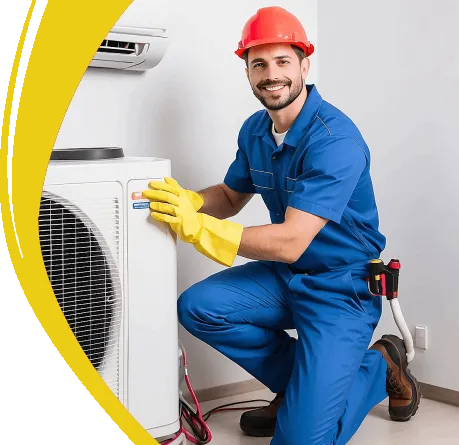
When Should You Call a Professional HVAC Technician?
While some troubleshooting steps can be performed by homeowners, certain situations warrant professional assistance. Homeowners should call a professional HVAC technician if they notice:
Signs of Serious Issues: Unusual noises or smells coming from the unit.
Complex Repairs: Problems that require specialized knowledge or tools.
Safety Concerns: Electrical issues or refrigerant handling that require professional expertise.
What Are Common Professional Repairs for Short Cycling Causes?
Professional HVAC technicians can perform various repairs to address short cycling, including:
Filter Replacement: Ensuring clean filters for optimal airflow.
Refrigerant Recharge: Addressing low refrigerant levels to restore proper cooling.
Thermostat Calibration: Adjusting or replacing faulty thermostats to ensure accurate temperature readings.
How Can You Prevent AC Short Cycling Through Maintenance and Best Practices?
Preventing AC short cycling involves regular maintenance and best practices to ensure the system operates efficiently.
What Regular Maintenance Tasks Help Avoid Short Cycling?
Homeowners can perform several regular maintenance tasks to prevent short cycling:
Change Air Filters: Regularly replace or clean air filters to maintain airflow.
Schedule Professional Inspections: Have the system inspected by a professional at least once a year.
Clean Coils and Ducts: Ensure that evaporator and condenser coils are clean and ducts are free of obstructions.
Why Is Proper AC Sizing Critical to Prevent Short Cycling?
Proper AC sizing is essential to prevent short cycling. An appropriately sized unit will run efficiently, cooling the space without excessive cycling. Homeowners should consult with HVAC professionals to determine the correct size for their specific needs.
How Does Thermostat Calibration and Placement Affect Short Cycling Prevention?
Thermostat calibration and placement play a crucial role in preventing short cycling. Ensuring that the thermostat is accurately calibrated and placed away from heat sources can help maintain consistent temperature readings. This can prevent premature shut-offs and ensure the system runs efficiently.
By understanding the causes and risks associated with AC short cycling, homeowners can take proactive steps to maintain their HVAC systems. Regular maintenance, proper sizing, and timely repairs can help ensure efficient operation and extend the lifespan of the air conditioning unit.